
A guided walk with a clear historical focus
An Old San Juan walking tour can connect the streets of the historic district with the reasons its defences were built. The important choice is whether you want the guided walk to include a particular fort interior or to concentrate on history across several city sites. The activities compared here have different admissions and meeting points, so begin with the experience you want rather than treating every route as interchangeable.
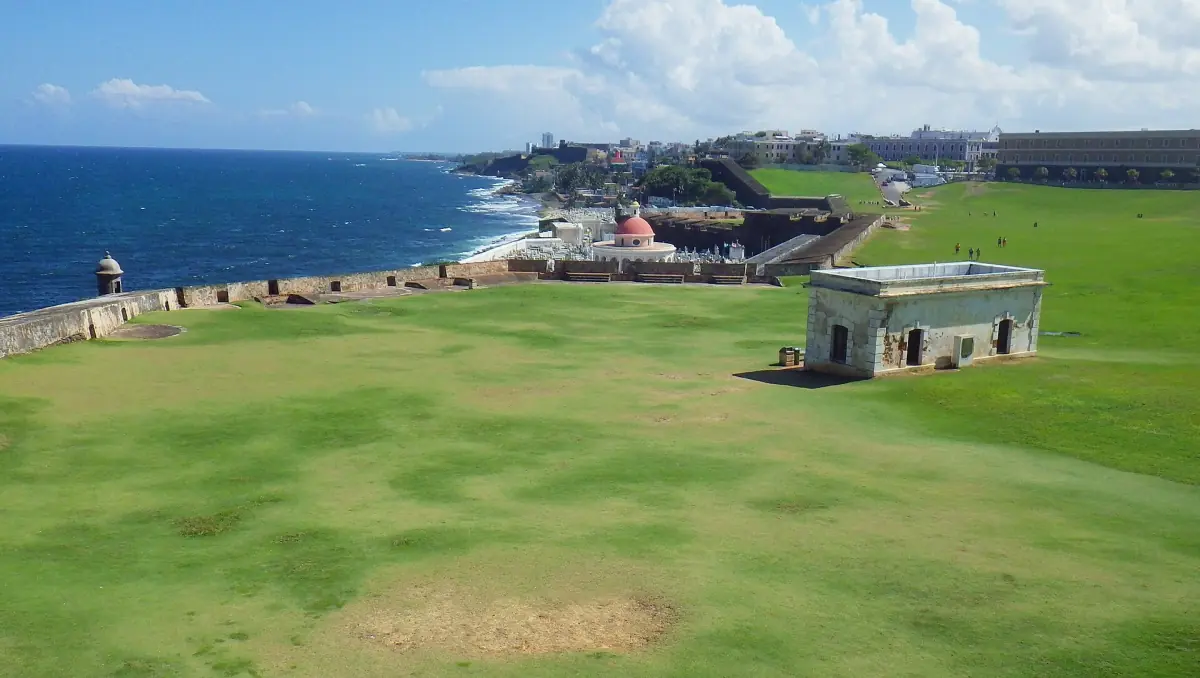
El Morro and San Cristóbal defended different approaches to the city. Seeing that relationship gives the walk a useful thread, from the bay-facing walls to the streets behind them. For the wider choice of a street walk, golf cart or longer outing, use the city tours overview. This page focuses on walking and historical interpretation.
Guided walks
Choose El Morro admission or San Cristóbal admission for a fort interior. The small-group walk offers a bilingual guide; site entry fees may be extra.
Hand-picked tours, booked through GetYourGuide. Prices are indicative starting prices in US dollars (as of November 2026). Tap a tour for live availability and the current price in your currency.
Walk with El Morro admission
- Fort Morro entrance ticket
- Bottled water
- Walking tour
Choose this walk to enter El Morro with a guide.
Check availability →
Walk with San Cristóbal admission
- Entry ticket to the San Cristobal Castle
- Certified tour guide
- Bottled water, soda or can beer
A drink is provided at the end of the tour.
Check availability →
Old town walk in a small group
- Small-group experience
- Complimentary bottled water
- Bilingual local expert
Entry fees to specific sites, if applicable, are extra.
Check availability →History walks with different fort inclusions
Choose El Morro admission, a San Cristóbal visit or a small-group history walk with possible entrance fees separate.
The history of Old San Juan
The move from Caparra to the small island at the entrance to the bay began in 1519 and was complete in 1521. Explain 1521 as the completion of that relocation, rather than the beginning of all Spanish settlement in Puerto Rico. The city's present setting is central to the story: its position needed protection against approaches both from the sea and over land.
Construction of El Morro began in 1539. San Cristóbal and the city walls followed from 1634, with an important expansion of the defences from 1765 to 1790. These historical dates help distinguish the buildings as parts of a developing defensive system. A guided walk can make more sense of that sequence than a visit organised only around photo stops.
The Treaty of Paris of 10 December 1898 ended the Spanish-American War, and Spain ceded Puerto Rico to the United States. This change of rule belongs alongside the earlier colonial history when considering the city. The UNESCO property, recognised in 1983, includes La Fortaleza, the forts and specified parts of the original wall. Its boundaries should be distinguished from the whole historic district.
Routes through plazas, the gate and city walls
The small-group history walk begins at Parque de las Palomas. Its included city sites feature El Morro, San Juan Gate and historic plazas, with a bilingual guide, bottled water and time for photographs. Possible site entrance fees are extra. It suits an interest in connections between history, culture and architecture across the city, rather than choosing an activity primarily for an included fort ticket.
Paseo de la Princesa runs by the southern waterfront toward the historic San Juan Gate. Paseo del Morro is a separate waterfront trail. The November 2026 park rule text gives the latter access from sunrise to sunset. If adding an independent waterfront walk, allow daylight and use the information at the entrances to shape the route. Keep that extension separate from the stops specifically included in your chosen guided activity.
A walk with a fort visit or a broader historical route
The two-and-a-half-hour El Morro activity includes a guide, a walking tour, bottled water and the El Morro entrance ticket. It meets on Calle Comercio; transport to the meeting location is separate. This is the direct choice when El Morro's interior is the part of the visit you especially want to include.
The San Cristóbal activity also lasts two and a half hours and starts at Plaza Colón. It includes a certified guide, the San Cristóbal entry ticket and a bottled water, soda or canned beer at the end. Plan it around that named fort visit. The specialist forts and admission guide explains the official ticket and the alternative guided activity that includes both fortifications.
For a route led by historical interest across different city sites, the two-hour small-group walk is another format. Its admission fees, if applicable, are separate. Duration alone is therefore a poor way to choose: one walk builds in a named fort ticket, while another leaves those site fees outside its guided city experience.
La Fortaleza and the cathedral along a city visit
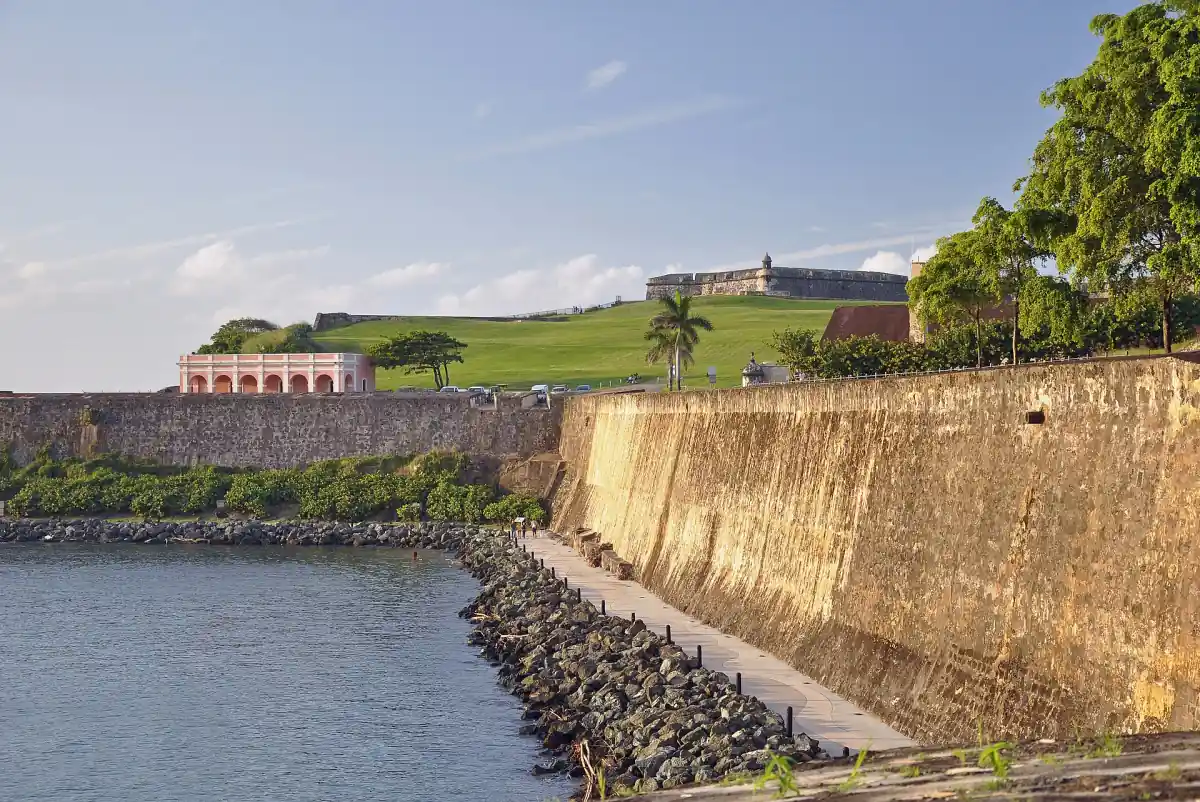
La Fortaleza is the governor's residence and seat of government. Its government-run visits are offered free in English and Spanish, with security screening, suitable clothing and identification for adults aged 18 and over; minors need an accompanying adult. Advance coordination is available. Arrange that visit separately from a general walk instead of assuming access through a city tour.
The Cathedral of San Juan Bautista stands on Calle del Cristo and contains the remains of Juan Ponce de León. It adds a religious and civic landmark to an itinerary dominated by military architecture. Use your remaining time to decide which individual buildings interest you, rather than filling every gap between a tour and its next meeting point.
Cobblestones, heat and walking breaks
Wear footwear suited to uneven paving, carry drinking water and use sun protection. For fort interiors, the older NPS safety guidance dated 22 January 2020 warns of low passages, steep or uneven surfaces and slippery areas when wet. Keep children close and stay off walls and cannons. Give yourself time for breaks rather than adding an immediate onward appointment.
Locate the precise meeting point before setting out. Plaza Colón, Calle Comercio and Parque de las Palomas are different starts. If arriving from a ship, use your actual berth and return instructions alongside the cruise port guide. For airport or other city arrival, the arrival guide deals with the journey before the walk begins.
Questions about walking tours
Which walk includes El Morro admission?
The two-and-a-half-hour walking tour with an El Morro visit includes its entrance ticket, a guide and bottled water. Transport to the Calle Comercio meeting point is separate.
Does the San Cristóbal tour include both forts?
Its named inclusion is the San Cristóbal ticket. Choose the activity expressly including both castles on the forts page when your priority is a guided visit to both.
Can I choose a history walk without an included fort ticket?
The two-hour small-group route includes a bilingual guide, historical interpretation and bottled water. Possible entrance fees at individual sites are separate from that activity.